Bold Guide: Exercise for arthritis
Exercise is one of the most effective ways to manage arthritis.
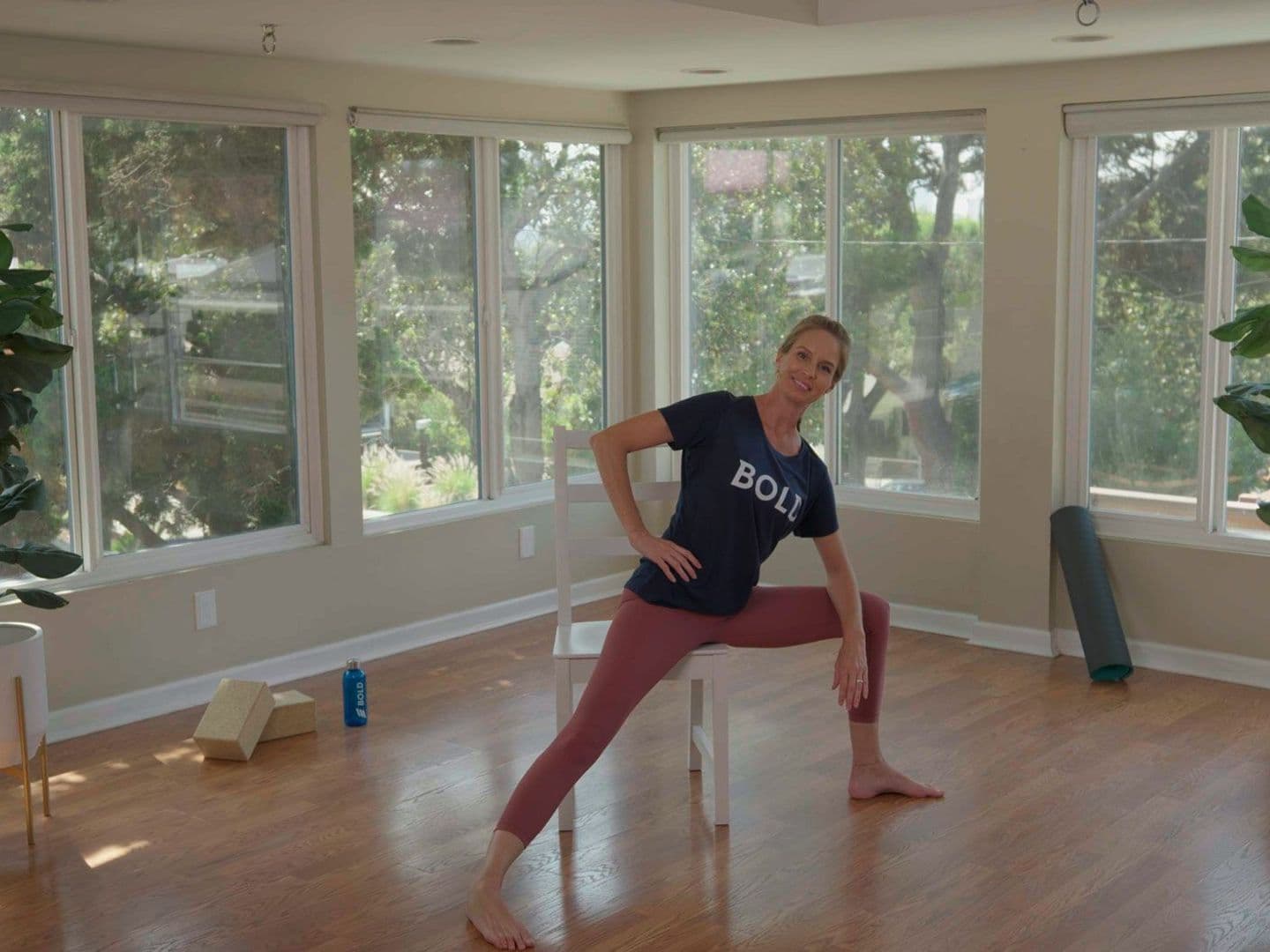
If you’re one of the millions of Americans who experience arthritis, exercise can be a great way to manage your symptoms and improve your joint health.
Bold (opens in new tab) has hundreds of classes to choose from that are arthritis-friendly — explore 5 of our favorites below!
If you want more Bold, sign up (opens in new tab) today to get access to your personalized exercise program, live and on-demand classes, and more — available at no cost through select health plans.
What’s arthritis?
Arthritis refers to any condition that affects our joints.
Our joints are places throughout the body where 2 bones meet. They are made up of bones, muscles, ligaments, cartilage, and other tissues working together to support movement. Examples include the hip, elbow, knee, and wrist.
Just like the rest of our body, our joints also change with age. Changes in our joints can sometimes lead to arthritis, which may be attributed to pain, swelling, and stiffness in our joints. Lucky for us, there are actions we can take to manage symptoms of arthritis. One of the most effective ways to manage arthritis and improve joint health is through exercise.
Exercise and arthritis
Exercise has many health benefits, especially for people with arthritis. You may have heard that our joints experience ‘wear and tear’ as we age. However, research shows that the more we move our joints, the stronger they become. Regular movement helps to challenge our joints, so they can adapt and recover over time. This helps relieve symptoms of arthritis such as pain, swelling, stiffness, and fatigue.
Many different types of exercise can help manage arthritis and improve joint health:
- Stretching and mobility exercises helps us maintain range of motion and function in our joints, so we can continue to carry out daily activities.
- Strength exercises help us build muscle to protect and support our joints.
- Cardio exercises help maintain a healthy body weight, which can reduce stress on our joints.
Exercise helps challenge your joints so they stay resilient. Incorporate exercise into your routine to boost your joint health and manage your arthritis.
Tips to get started
If you have arthritis, it’s important to consult with your healthcare provider before starting a new exercise routine. After you meet with your provider, it’s important to start slow, so your joints can adjust to your routine.
- With Bold, start with shorter classes, once or twice a week, and work your way up as you feel comfortable.
- Be mindful as you move, and listen to your trainer as they explain how to properly perform different movements.
- Be sure to hydrate, eat well, and get enough sleep to help your body ease into your exercise routine.
If your joints feel tired or achy after you exercise, this can actually be a good thing because it means your joints are being challenged. In fact, it can take your joints 6-8 weeks to get used to a new routine. But, if you experience sharp or jabbing pain in your joints as you exercise, it’s important to talk to your healthcare provider.
Exercise with Bold
Experience the benefits of exercise for arthritis by joining Bold.
Bold is an online personalized exercise program offered at no cost through select health plans. Choose from hundreds of video classes designed by our team of physical therapists, doctors, and researchers. Manage your joint pain through classes tailored to you, and take Bold classes from anywhere, any time. Check if you’re eligible (opens in new tab) for Bold at no cost through your health plan, and get moving today.
Sources
- NIH (opens in new tab) – National Institute of Arthritis and Musculoskeletal and Skin Diseases
- CDC FAQs (opens in new tab), CDC on Osteoarthritis (opens in new tab)
- NCOA (opens in new tab) – National Council on Aging
- Mayo Clinic (opens in new tab)
- PM&R (opens in new tab) – Official Journal of American Academy of Physical Medicine and Rehabilitation
- AJNR American Journal of Neuroradiology (opens in new tab)
Book an appointment
Age-friendly clinicians, covered by your insurance.
More from Bold

Are GLP-1s safe for older adults? What you need to know about weight-loss medications over 60
Learn about GLP-1s and aging, plus how to pair medication with lifestyle changes for weight-loss success.

Better sleep for seniors: 8 simple habits to improve sleep quality
Discover 8 simple habits to improve sleep for seniors. Learn why sleep is important for older adults, how aging affects rest, and practical tips to boost sleep quality, brain health, and overall well-being.

Healthy eating tips with Bold trainer and certified nutritionist Meli Kirkwood
Bold trainer and certified nutritionist Meli Kirkwood shares practical healthy eating tips for older adults, including what to eat more of and what to limit.